



Why the trial order is the smartest first step
The first order from a new China supplier carries real trust risk: you are sending money to a stranger for goods you have not seen, and the freight, the customs treatment, and the transit time are all unproven on your lane. The trial order is the tool that turns that gamble into a test. You commit a small, survivable amount, and you measure the things that matter: whether the supplier delivers what was agreed, how long the shipment actually takes, how the goods clear customs, and whether the quality matches the listing.
Every buyer who plans to build a long-term supply line should run this test once per supplier. The information it produces is worth far more than the small cost, and it is the difference between scaling on evidence and scaling on hope.
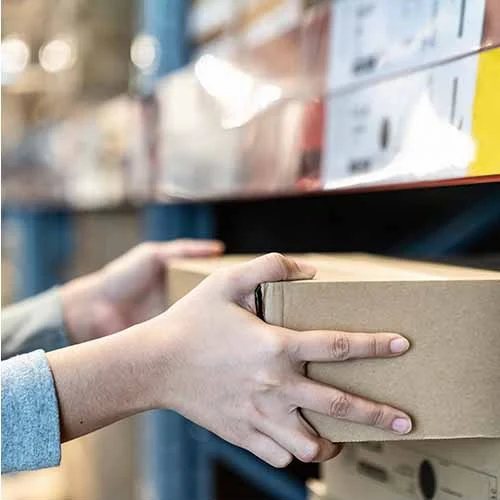
What a trial order should test
Run the trial with a checklist, because its whole purpose is to answer specific questions:
- Quality. Does the product match the photos, the spec, and the sample? Keep the approved sample to compare against.
- Communication. Do they answer quickly, and do they answer the question asked? Slow or vague replies now predict slow or vague replies at scale.
- Transit and tracking. Does the shipment move on schedule, and is tracking accurate from pickup to delivery?
- Customs and taxes. Does the shipment clear without surprises, and does the final cost match what you expected?
- Compliance. For goods with rules, batteries, cosmetics, or restricted items, does the channel work as promised?
Write the answers down after the trial. They are the basis for the first real order, and they become your baseline for comparing this supplier against the next one.
How to ship a 5 to 20 kg trial order
The sweet spot for a trial order is 5 to 20 kg: small enough to be affordable, large enough to test the real logistics. The shipping method changes with the weight:
- Under 5 kg. Express courier direct from the supplier. Simple, fast, and the first-weight cost is small enough that consolidation adds little.
- 5 to 20 kg. Consolidation with air freight. This is where the saving becomes real, and the trial doubles as a test of the consolidation process itself. The small and fragile order guide covers how samples and small shipments travel safely.
- Over 20 kg. Consolidated air still works, and if the goods are not urgent, this is the point where sea freight starts to look interesting for the reorder.
If you are testing multiple suppliers at once, route all their parcels to one China warehouse address and ship the combined trial as a single consolidated parcel. That tests consolidation and the suppliers at the same time, and it is exactly what the first real order will look like.
What the trial actually costs: budget the full number
A trial order costs more than the goods. Budget four lines: the product cost, the freight, the destination tax, and the sample or inspection cost if you use one. The freight on a small order is disproportionately high, because small shipments pay the full first-weight charge, so do not judge the economics of the product from the trial freight alone. Judge the logistics from the trial, and judge the product margin from a landed-cost calculation at your real order size. The pre-order planning guide, which covers consolidation and DDP together, walks through the numbers before you commit: plan your Alibaba order for consolidation and DDP.
After the trial passes: the path to scale
When the trial clears quality, transit, and customs, the reorder is where the economics change. Move from express or single-parcel shipping to a regular consolidation schedule, switch to DDP so every shipment lands at a fixed price, and ask the supplier for tiered pricing at the volume you are now ordering. The shift from trial to scale is also the moment to consider a shipping agent, who can consolidate, inspect, and dispatch without you coordinating each step, covered in the Alibaba shipping agent guide.
One rule keeps the relationship healthy: keep ordering to the spec that passed. If the reorder changes the product, the colour, or the packaging, treat it as a new test, not a continuation.
Red flags that should stop the trial
The trial can also be the cheapest way to discover a supplier is not worth scaling, and the signals show up early:
- Pushing payment off the platform or into a channel without protection.
- Resisting a sample, or sending a sample that does not match the listing.
- Refusing to confirm the specification in writing.
- Answers that ignore the question and repeat marketing language.
None of these require a full investigation to act on. A supplier who resists verification at the trial stage will not become transparent at scale. The full buying process, from finding a supplier to placing the order safely, is covered in our how to buy from Alibaba guide.
Frequently asked questions

How big should my trial order from China be?
5 to 20 kg is the sweet spot: affordable, and large enough to test real transit, tracking, and customs. Under 5 kg you are only testing the courier, and above 20 kg you are committing more than a test requires.
Should I use a courier or consolidation for a trial order?
Under 5 kg, a courier direct from the supplier. From 5 to 20 kg, consolidation with air freight, which tests the process you will use for real orders and cuts the cost at the same time.
How much does a trial order cost?
Four lines: product, freight, destination tax, and any inspection or sample fee. Small orders pay the full first weight, so the freight share is high; judge the logistics from the trial and the margin from a landed-cost calculation at real order size.
What should I check after the trial arrives?
Quality against the approved sample, whether transit matched the promise, whether customs cost what you expected, and how the supplier communicated through the process. Write it down as the baseline for the reorder.
How do I scale up after a successful trial?
Move to a regular consolidation schedule, switch to DDP for fixed landed prices, negotiate tiered pricing at your new volume, and consider a shipping agent to handle consolidation and dispatch.