



Most buyers price an ebike and forget the battery leg — then the shipment gets stuck. Here is how lithium battery transport from China actually works, and why an ebike almost always moves by sea.
Ebike batteries are Class 9 dangerous goods
UN3171 when built into the bike; UN3480/UN3481 when separate
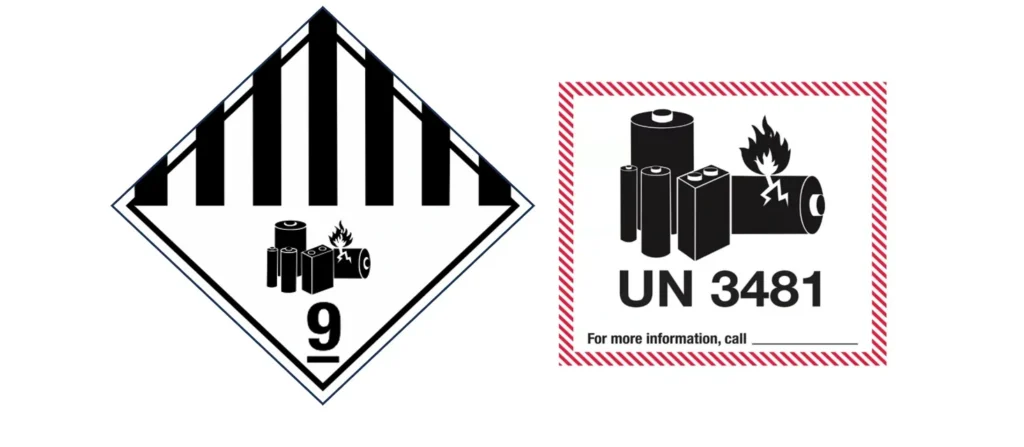
When the lithium battery is integrated into the ebike, the shipment is generally classified UN3171 (battery-powered vehicle). If batteries are shipped loose, they fall under UN3480 (standalone Li-ion) or UN3481 (packed with or contained in equipment). All of these are Class 9 dangerous goods under transport law.
Why air freight is off the table for most ebikes
Passenger aircraft ban, state-of-charge limits, cargo-only routing
Standalone lithium-ion batteries are broadly restricted from passenger aircraft and typically move cargo-only with a state-of-charge around 30% or less. A full ebike’s battery is large enough that most lanes simply route it by sea. A forwarder offering to ‘just put it on a plane’ is either mistaken or planning to misdeclare — walk away.
Sea freight is the standard route
IMDG Code, DG booking, and proper packaging
By sea, the shipment moves under the IMDG Code as declared dangerous goods: a DG booking with a carrier that accepts batteries, UN-spec packaging, short-circuit prevention, and the Class 9 label. A DG-qualified forwarder handles the booking; the supplier must supply the technical files. Our Alibaba shipping agent guide covers what to expect from that forwarder.
Paperwork you cannot skip
UN38.3 test summary
The battery design needs a UN38.3 test summary from an accredited lab (SGS, CMA, UL, TÜV). Carriers and customs check that the Wh rating and model match the physical battery, so the report has to be current and accurate.
SDS/MSDS and the dangerous goods declaration
You also need a current SDS (formerly MSDS) with the right classification and emergency info, plus a shipper’s dangerous-goods declaration. These are not optional extras — without them the booking is rejected.
HS code 8507.60.00 and destination filings
The battery typically declares under HS 8507.60.00. For the US, sea shipments need AMS and ISF (10+2) pre-filing; the CBP side also looks at UL, FCC, and DOT transport rules. Build these into the timeline.

Do not let a forwarder misdeclare the batteries
Misdeclaring a battery shipment as general cargo can get the container held, fined, or returned, and can cost you carrier access. Pay the dangerous-goods surcharge and do it right. If a quote looks impossibly cheap, ask exactly how they are classifying the battery.
Cost and transit time reality check
Battery freight costs more than ordinary cargo because of the technical review, controlled handling, and limited carrier capacity. Ocean transit from China is commonly around 15 to 30 days by destination. Plan for that, not for a five-day air delivery.
Frequently asked questions
Can a single ebike battery go by air?
Only in limited cases and usually cargo-only with strict Wh and state-of-charge limits. A complete ebike with its integrated battery is almost always sea freight.
Who provides the UN38.3 report?
The battery or ebike supplier must provide it from an accredited lab. If they cannot, that is a serious warning sign about the product’s compliance.
Is DDP enough for battery compliance?
No. DDP defines who pays duties and tax; it does not remove dangerous-goods, certification, or importer-registration requirements. You still need the DG documents.
What happens if documents do not match the battery?
The booking is typically rejected, and you may face repacking, storage fees, or return freight. Matching Wh rating, model, and UN number to the physical battery avoids most of these failures.