


Yes, usually with conditions. Batteries need UN38.3 certification, liquids need an MSDS (Material Safety Data Sheet) and leak-proof packaging, and powders need a composition declaration. Most of these products don’t move through Alibaba’s standard post or express channels — they need to go through a certified sensitive-cargo or dangerous goods (DG) channel instead. A small number of items are genuinely banned outright, and we’ll show you exactly which ones below.
Jump to: Why These Get Flagged · Three-Tier Quick Reference · Batteries, Liquids & Powders Breakdown · Air vs. Sea Comparison · Real Buyer Mistakes · How We Handle It · Destination Country Rules · FAQ

Why These Items Get Flagged in the First Place
Batteries, liquids, and powders aren’t dangerous by default — they’re flagged because they can be, and carriers have no way to tell the difference at a glance. Here’s the actual reasoning behind each category:
- Batteries — Lithium-ion and lithium-metal cells can short-circuit, overheat, or catch fire under pressure or vibration. Every carrier requires proof the cell design passed UN38.3 testing (a series of altitude, thermal, vibration, and short-circuit tests) before it will accept the shipment.
- Liquids — Airlines restrict liquid volumes and require leak-proof, pressure-tested packaging. Anything flammable, corrosive, or unidentified gets pulled for inspection, which is why an MSDS matters — it tells the carrier exactly what’s in the bottle before they open it.
- Powders — Customs and security screening can’t visually distinguish protein powder from contraband. Without a composition declaration or lab test showing what the powder actually is, screeners default to holding or rejecting the shipment.
None of this means your product can’t move — it means it needs to move through the right channel, with the right paperwork, the first time.
Three-Tier Quick Reference: What Actually Happens to Your Shipment
This is the part most guides get wrong. Batteries, liquids, and powders are not “banned” — they’re restricted, which is a different thing entirely. Here’s the real breakdown:
| Tier | What it means | Examples |
|---|---|---|
| ✅ Clear for standard shipping | Moves through normal Alibaba logistics with no extra paperwork | Non-lithium electronics, dry goods, most textiles |
| ⚠️ Restricted — requires a certified DG channel | Legal to ship, but must go through dangerous-goods-certified freight with the right documents and labeling | Lithium batteries (UN38.3), liquids (MSDS), powders (composition declaration), aerosols, magnetized items |
| 🚫 Genuinely prohibited | Cannot be shipped internationally by any commercial channel, regardless of documentation | Weapons and ammunition, explosives, narcotics and drug-manufacturing chemicals, radioactive material, counterfeit goods, endangered species products |
The mistake we see most often: a buyer reads “batteries are restricted” on a shipping page, assumes that means “banned,” and either cancels a perfectly legal order or — worse — tries to hide the battery in the declaration to get it through standard post. That second option is the one that actually gets shipments seized.
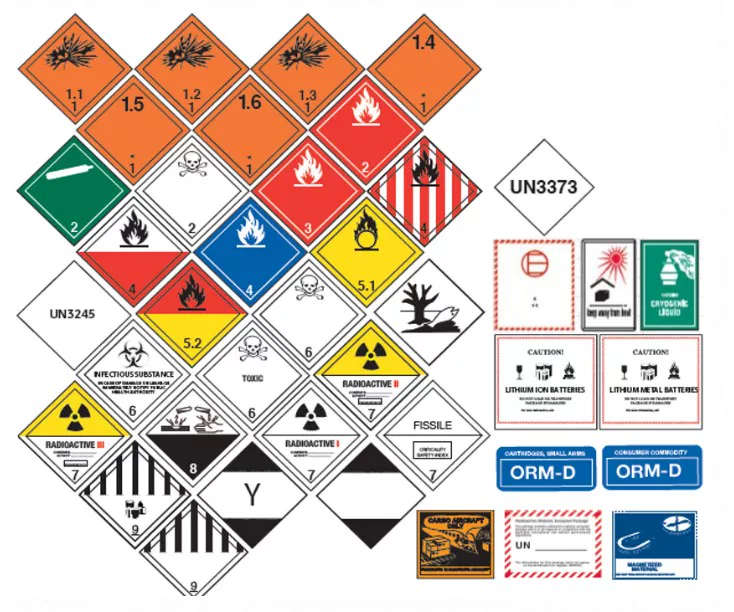
Batteries, Liquids & Powders: What Each One Actually Requires
🔋 Batteries
- Built-in batteries (phones, power banks, e-bikes, wireless earbuds): need UN38.3 test summary from the manufacturer, plus correct lithium battery handling labels on the outer carton.
- Standalone battery cells: generally need to ship via sea freight or air cargo under full DG certification — most express couriers won’t touch loose lithium cells at all.
- Watch/toy batteries (button cells): often exempt from full DG rules if under a certain watt-hour threshold, but still need to be declared.
💧 Liquids
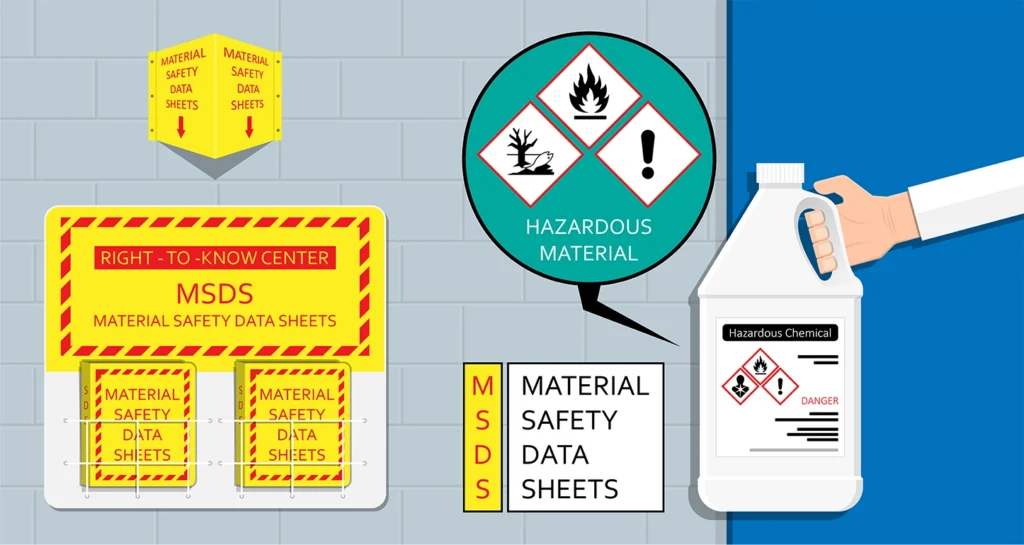
- Needs an MSDS from the supplier — this is the single most-requested document we ask buyers to get before production finishes, because suppliers are slower to produce it after the order ships.
- Needs leak-proof, pressure-rated packaging — standard bottle caps often fail air pressure changes; carriers will reject packaging that doesn’t meet UN packing group standards.
- Flammable or corrosive liquids (certain cleaning products, adhesives, essential oil concentrates) may need to move by sea only.
🌫️ Powders
- Needs a composition declaration — a simple document stating what the powder is made of, sometimes with a lab test if the product is a novel formulation (new supplement blends, cosmetic powders).
- Food-grade and cosmetic powders crossing into the US, EU, or Gulf states may also need country-specific certification (see the destination section below).
- Customs officers are far more likely to hold an unlabeled or vaguely-labeled powder shipment for inspection — clear labeling reduces delay risk significantly.
Air vs. Sea: The Rules Are Not the Same
This is where most competitor guides stop short — but it’s the difference that actually determines your cost and timeline.
| Air Freight | Sea Freight | |
|---|---|---|
| Batteries | Must comply with IATA DGR (Dangerous Goods Regulations) + UN38.3; many airlines cap watt-hours or refuse loose cells entirely | Governed by IMDG (International Maritime Dangerous Goods) Code; generally more permissive on battery quantity, but requires DG-certified packing |
| Liquids | Volume limits apply; flammable liquids often refused outright by passenger and cargo airlines | Broader acceptance, but flammable/corrosive liquids still need UN-rated drums or containers |
| Powders | Composition proof required before booking; unclear powders routinely held for lab testing at origin | Less scrutiny at booking, but still subject to random customs inspection at destination |
| Typical cost impact | DG surcharge + longer booking lead time | Lower DG surcharge, but longer transit time overall |
Bottom line: if your product line includes batteries or bulk liquids, sea freight is almost always the more forgiving and cost-effective route — but it only works if the shipment is packed and documented correctly from day one.
Mistakes We See Constantly
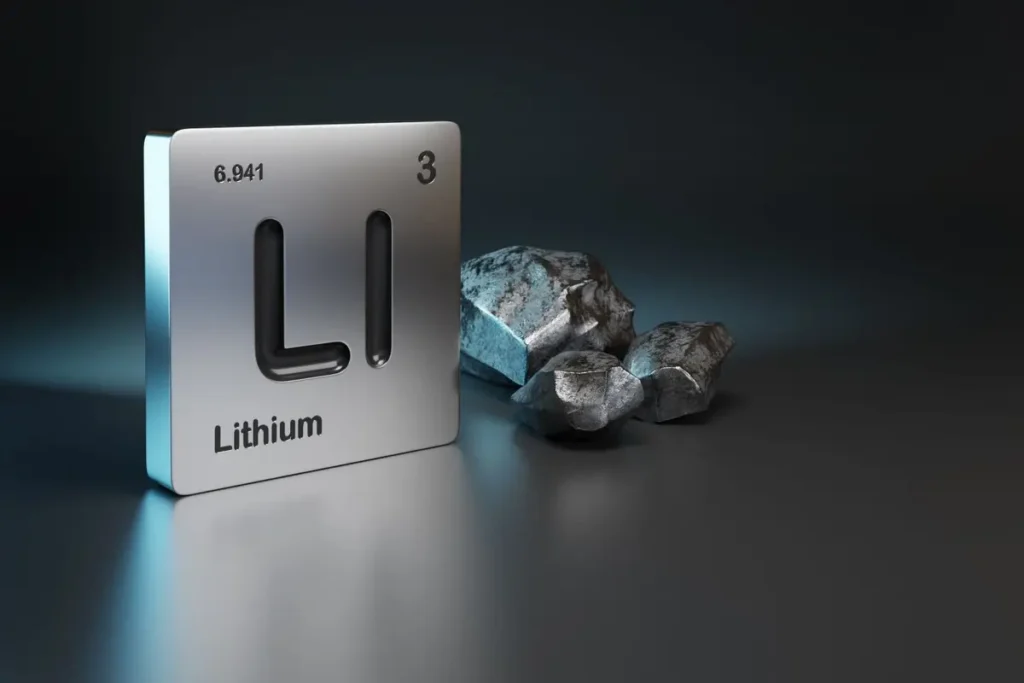
- The watch with a built-in battery. A buyer orders 500 smartwatches, assumes they’re “just electronics,” and doesn’t realize the built-in lithium cell requires UN38.3 documentation. The shipment gets held at origin until the supplier produces the test report — a delay that could have been avoided by asking for it before production finished.
- The protein powder that got flagged as an unknown substance. No composition declaration, no ingredient breakdown — customs pulled it for lab testing, adding two weeks to the timeline.
- “The seller said yes, but the agent said no.” This happens constantly, and it’s not the seller lying — it’s a scope problem. A supplier can confirm the product can be made and sold; only a freight forwarder can confirm the product can legally move through a specific carrier and country’s import rules. Always get the shipping confirmation from whoever is actually handling the freight, not just the factory.
How We Handle Restricted Cargo for You
This is exactly the kind of friction our service exists to remove:
- At consolidation — every incoming item is screened for battery, liquid, or powder content before it’s combined with the rest of your shipment, so a restricted item doesn’t hold up your entire consolidated load.
- At DDP clearance — we file the dangerous-goods declarations, UN38.3 paperwork, and customs documents as part of the process, so duties, taxes, and compliance are one line item instead of three separate headaches.
- At repacking — we can repack and relabel goods to meet carrier and destination labeling requirements, which is often the difference between a shipment clearing customs smoothly and one getting flagged for inspection.
If you’re not sure whether a specific product will ship cleanly, the fastest way to find out is a free cargo check before you commit to the order — not after it’s already sitting in a warehouse.
Destination Country Rules Are Not the Same Everywhere
Even once a battery, liquid, or powder clears export from China, the destination country runs its own checks:
- United States — the FDA requires a full ingredient/composition list for cosmetics and supplements; the DOT enforces its own lithium battery transport rules independent of IATA/IMDG.
- European Union — REACH regulation requires chemical safety documentation for many liquids and powders, including cosmetics and cleaning products.
- Brazil & Saudi Arabia — both require pre-approval licenses for certain categories (especially cosmetics, supplements, and battery-powered devices) before the shipment is even allowed to enter.
- UK, Canada, Australia, UAE — generally align close to US/EU standards but each has its own customs declaration thresholds worth checking per product category.
The paperwork that gets a shipment through Rotterdam won’t necessarily get it through São Paulo — this is one of the most common blind spots for first-time importers sourcing from Alibaba.
FAQ
Can I ship a watch with a battery? Yes — built-in battery watches ship regularly, but the manufacturer needs to provide UN38.3 test documentation and the package needs correct lithium battery labeling. Ask your supplier for this before the order ships.
Do protein powders get seized? Not typically, but they get held for testing if there’s no composition declaration. Providing ingredient documentation upfront avoids the delay entirely.
Why did the seller say yes but the agent said no? Sellers confirm the product exists and can be manufactured. Freight forwarders confirm whether it can legally move through a specific carrier and destination country. These are different questions — always get your shipping confirmation from whoever handles the actual freight.
What’s actually banned outright, with no workaround? Weapons and ammunition, explosives, narcotics and drug-precursor chemicals, radioactive material, counterfeit or IP-infringing goods, and endangered species products. These can’t move through any commercial freight channel regardless of documentation.
Do all batteries need the same paperwork? No — small button-cell batteries under certain watt-hour thresholds are often exempt from full dangerous goods certification, while lithium-ion cells in power banks, e-bikes, or standalone form almost always require full UN38.3 documentation and DG-certified freight.
Not Sure If Your Product Will Ship Cleanly?
Get a free cargo check before you place your order — we’ll tell you exactly what documentation you need and which shipping channel makes sense, before you’re stuck waiting on a held shipment.
Request a Free Cargo Assessment →
Image notes for publishing: replace the placeholder art with real photos of your own compliant packaging and shipping labels (UN38.3 battery labels, MSDS-tagged liquid cartons, composition-labeled powder bags) rather than generic stock cargo/container photography. Suggested alt text: “UN38.3 certified lithium battery shipping label on Alibaba consolidated package,” “MSDS-labeled liquid shipment ready for DDP export,” “composition-declared powder packaging for customs clearance.”