



Running a dropshipping business from China? Outbound shipping is straightforward — returns are where it gets complicated.
When a buyer sends something back, you have no local warehouse to receive it. Your options are limited: abandon the item, pay overseas disposal fees, or figure out reverse logistics to China. Most sellers just write it off.
We built our Guangzhou returns center to change that.
Here is how we simplify reverse logistics for international sellers like you:
- No foreign storage costs – Returns come straight to Guangzhou, not parked in expensive overseas warehouses.
- No manual reconciliation – Every return arrives with order ID and RMA. We match, inspect, and grade each unit per your rules — no lost parcels, no spreadsheet chasing.
- No guesswork – You set the thresholds. We restock, refurbish, or dispose accordingly. Consistent. Auditable. Repeatable.
- No inventory lag – Results sync to your system in real time. You always know what is sellable.
Every unit recovered is one less reorder from your supplier — saving product cost, freight, and lead time.
We turn returns into recoverable assets. Let us show you how our Guangzhou facility integrates with your Amazon and other marketplaces.

Reach out for our service guide and pricing. We speak your language and understand your business.
Why handle returns through a China fulfillment setup
Most Alibaba sellers focus on the outbound flow — goods leaving the factory and reaching the customer — and forget that returns are part of the same operation. When your inventory already sits in a China pick and pack warehouse, sending a returned item back to that same warehouse is usually cheaper and faster than routing it to a second facility overseas.
A return handled at origin also keeps your stock in the market where it was made. Instead of a returned product sitting in a US or EU storage unit earning nothing, it gets inspected, graded, and put back into sellable inventory while it is still close to your supplier and your next batch of orders.
Return to China vs a local return address
The first decision is what return address you print on the shipping label. A marketplace or carrier can route returns to a local address in the buyer’s country, or you can have them sent back to your China warehouse.

When a local return address makes sense
For high-volume consumer goods, a local return address shortens the refund time and keeps buyer satisfaction high. The trade-off is that goods land in a foreign warehouse where restocking them into your China operation is slow and often not worth the freight back. This works best when the item is low value and you would rather liquidate or discard it locally than ship it home.
When returning to China is cheaper
For higher-value goods, or items you expect to resell, routing the return to your China fulfillment center avoids losing the unit entirely. The reverse international freight is a real cost, but it is usually smaller than the value of a recovered, restockable product. This path also lets you consolidate several returns into one inbound shipment rather than paying per-parcel reverse freight.
What happens to returned goods
Once a return reaches the warehouse, what you do with it depends on its condition. The three common paths are restock, refurbish, and destroy.
Restock after inspection
Many returns are unopened or returned as “no longer needed”. A quick inspection confirms the item and packaging are intact, and the unit goes back onto the shelf as sellable. This is the cheapest outcome because no work is needed beyond checking and re-labeling.
Refurbish or repackage
If the box is damaged but the product is fine, repacking the item in China restores it to sellable condition at a fraction of the replacement cost. Light cleaning, new packaging, or a replaced accessory can move a return from “scrap” to “restock”.
Destroy or liquidate
Goods that are broken, expired, or no longer compliant are taken out of inventory. Depending on local rules and product type, that means certified destruction or sale through a liquidation channel. The key is recording it so your stock counts stay accurate and you are not shipping a dead unit to the next customer.
Setting up a China returns flow
The setup is mostly about giving the right instructions up front, not about building new infrastructure.
Give marketplaces the right return address
Decide per product whether the return goes local or to China, then set the return address in each marketplace’s backend accordingly. Sellers often run both: local for cheap goods, China for valuable ones. The address you register is what the carrier uses, so it has to match the warehouse that is actually expecting the parcel.
Brief your warehouse on inspection rules
Tell the warehouse exactly how to grade a return and what thresholds trigger restock versus refurbish. Clear rules stop a returned item from sitting in limbo. It also helps to agree how return tracking is recorded so you can see when a parcel arrived and what disposition was decided.
Worked example: a 20 kg return from a US buyer
Take a 20 kg carton of returned apparel from a US buyer, routed back to our Shenzhen warehouse. Here is how we help you decide if it is worth it — not a fixed quote, but a decision framework:
| Cost component | What it means for you |
|---|---|
| Reverse freight (US → China) | Quoted per kg or per CBM. The heavier and bulkier, the higher. |
| Receiving & inspection | A flat fee per carton, plus a per-unit charge if each piece is graded individually. |
| Disposition outcome | Based on your rules, we typically see: ~70% restockable as-is, ~20% needs repacking, ~10% destroyed. |
The bottom line: Recovering 70% of the carton means you avoid reordering those units from your supplier — saving not just product cost, but also factory lead time and new freight. For higher-value goods, recovering 90% of units (restock + repack) usually pays for the reverse freight several times over.
When does this make sense for you?
- High-value products (e.g., electronics, designer apparel, branded goods) → almost always worth it.
- Mid-range products → run the math. If product value > reverse freight + handling, send it back.
- Low-value products (e.g., $5 accessories) → better to liquidate or discard locally.
What we take off your plate: We handle the receiving, grading, repacking, disposal, and inventory sync. You just get a report showing what came back, what was recovered, and what is now back in stock.reight plus handling and any repack or disposal. Compared with simply writing off the whole carton, recovering 90% of the units usually pays for the reverse logistics several times over on valuable goods.
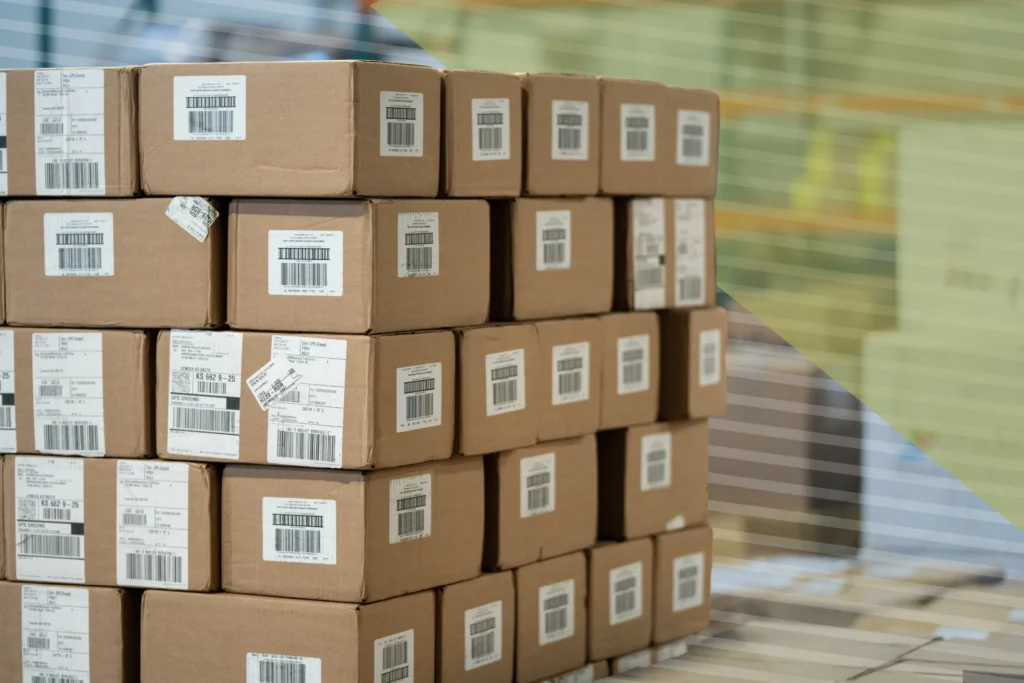
Documents and handling notes
Returns crossing a border need the same paperwork discipline as outbound goods, just in reverse. Keep the original order reference, the return authorization, and a simple manifest of what is in the carton so the warehouse can match the physical goods to the record. For DDP outbound lanes the return is a separate shipment and is not automatically covered by the original duty paid — plan the reverse leg as its own movement with its own cost.